Custom packaging boxes help businesses protect their products, improve brand recognition, and create a professional unboxing experience. Whether you need packaging for retail products, cosmetics, gifts, electronics, or e-commerce shipments, a well-designed box can meet both functional and branding requirements.
If you want to know how to make custom packaging box designs, the process involves several steps, including measuring the product, selecting materials, choosing a box structure, creating artwork, and manufacturing the finished packaging. With the right design and materials, businesses can develop custom packaging boxes that fit their products and production budgets.
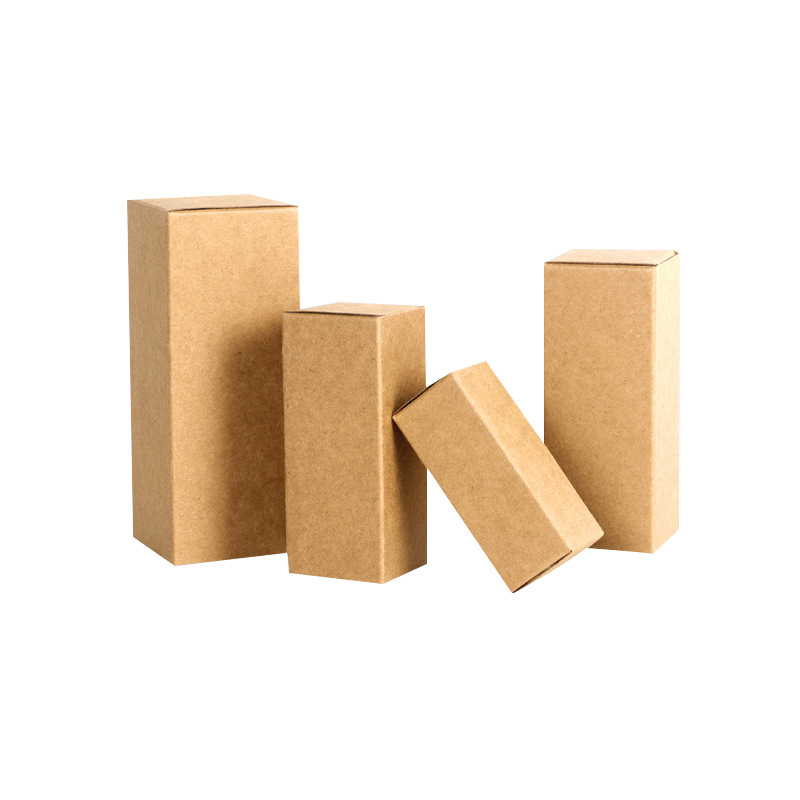
Step 1: Measure Your Product
The first step in making custom packaging boxes is to measure the product accurately. The box should provide enough space for the product and any protective inserts while avoiding unnecessary packaging volume.
Measure the product's length, width, and height. For irregularly shaped products, consider the widest and tallest points to determine the appropriate internal dimensions.
You should also consider whether the product needs protective padding, dividers, or additional accessories inside the box. These factors influence the final box dimensions and internal structure.
Accurate measurements help reduce material waste, improve packaging efficiency, and ensure that the finished box fits the product properly.
Step 2: Choose the Right Packaging Material
Material selection affects the durability, appearance, cost, and environmental characteristics of custom packaging boxes. The best material depends on the product's weight, shipping conditions, presentation requirements, and budget.
Paperboard
Paperboard is commonly used for retail packaging, cosmetics, food products, small electronics, and consumer goods. It supports detailed printing and is suitable for lightweight products that require attractive packaging.
Corrugated Cardboard
Corrugated cardboard contains a fluted layer between paper liners, providing additional cushioning and structural strength. It is widely used for shipping boxes, e-commerce packaging, and products that require extra protection during transportation.
Kraft Paperboard
Kraft paperboard offers a natural, kraft-paper appearance and is popular for minimalist packaging, gifts, apparel, and lifestyle products. It can be combined with custom printing to create a distinctive brand style.
Rigid Board
Rigid board is thicker and more structurally solid than standard folding carton materials. It is often used for luxury gifts, jewelry, premium cosmetics, and electronics packaging.
When choosing materials, consider product protection, printing requirements, storage conditions, and total packaging costs.
Step 3: Select the Appropriate Box Structure
The box structure determines how the packaging opens, closes, stores, and protects the product. Different structures are suitable for different applications.
Folding Carton Boxes
Folding carton boxes are lightweight paperboard boxes that can be shipped flat and assembled when needed. They are suitable for retail packaging, cosmetics, personal care products, and many consumer goods.
custom mailer boxes are commonly used for e-commerce orders, subscription products, and direct-to-consumer packaging. Their folding structure can provide a practical balance between product protection and presentation.
Corrugated shipping boxes are designed for transportation and distribution. Their strength can be adjusted by selecting appropriate board grades and box structures according to the product's weight and shipping conditions.
Rigid Gift Boxes
Rigid gift boxes provide a premium appearance and sturdy structure. Popular options include two-piece boxes, magnetic closure boxes, drawer boxes, and book-style boxes.
Selecting the right structure helps ensure that your custom box packaging meets product, storage, shipping, and presentation requirements.
Step 4: Create a Custom Box Design
Once the material and structure are selected, the next step is to develop the custom box design. This includes the box dimensions, opening mechanism, folding panels, closures, and overall appearance.
A packaging designer typically creates a dieline, which is a flat template showing the cutting lines, creasing lines, and folding areas. The dieline helps determine how the flat sheet will be converted into a three-dimensional box.
Before production, check the following details:
Internal and external box dimensions
Product fit and clearance
Folding and closing mechanisms
Adhesive or locking areas
Insert dimensions
Printing and finishing areas
For more complex packaging, a physical sample or prototype can help verify the structure before mass production.
Step 5: Design Custom Printed Packaging Boxes
Printing is an important part of creating custom printed packaging boxes. It allows businesses to display their logos, brand colors, product information, illustrations, and other visual elements.
Logo and Brand Printing
Custom logo printing helps create consistent brand recognition across product packaging. Artwork should be prepared according to the printer's specifications, including file format, color mode, resolution, and bleed requirements.
Printing Methods
Common printing options include digital printing, offset printing, and flexographic printing. The suitable method depends on the material, artwork complexity, order quantity, and production requirements.
Digital printing may be suitable for prototypes or smaller orders, while offset printing is often considered for larger quantities requiring detailed graphics and consistent color reproduction. Flexographic printing is commonly used for many corrugated packaging applications.
Surface Finishing
Additional finishing options can enhance the appearance of custom printed packaging boxes. These may include matte or gloss lamination, spot UV, embossing, debossing, and foil stamping.
Not every finish is suitable for every material, so it is important to confirm compatibility during the design stage.
Step 6: Add Custom Box Inserts
For products that need extra protection or organized presentation, custom box inserts can improve the packaging structure.
Depending on the product, inserts may be made from paperboard, molded paper pulp, foam, or other suitable materials. They can help prevent movement inside the box, separate multiple items, and keep accessories organized.
For fragile products, consider the product's weight, shape, impact sensitivity, and shipping environment when selecting an insert. Packaging samples should be tested to confirm that the product remains secure during handling and transportation.
Step 7: Manufacture and Assemble the Packaging Box
After the design is approved, the custom packaging box enters the manufacturing stage. The exact process depends on the selected material and box structure.
A typical production workflow includes:
Material preparation
Printing and surface finishing
Die-cutting and creasing
Folding and gluing
Insert production, if required
Box forming or assembly
Quality inspection
Packing and delivery
During production, manufacturers check dimensions, printing quality, structural consistency, and assembly accuracy. For bulk orders, confirming a pre-production sample can help reduce the risk of errors before the full quantity is manufactured.
Step 8: Test the Finished Custom Packaging Boxes
Before placing a large order, test the finished packaging to ensure it meets your requirements.
Important checks include box dimensions, product fit, closure performance, printing accuracy, material strength, and overall appearance. For shipping applications, additional tests may be necessary based on the product's fragility and transportation conditions.
If the box will be used for food, cosmetics, or other regulated products, confirm that the materials, inks, coatings, and packaging design meet the applicable requirements.
Testing helps identify design problems early and supports more consistent production quality.
How Much Does It Cost to Make Custom Packaging Boxes?
The cost of custom packaging boxes depends on several factors, including material, box dimensions, structure, printing, finishing, inserts, order quantity, and shipping.
Larger boxes generally require more material, while complex structures and premium finishes may increase production costs. Order quantity also affects the unit price because setup and tooling costs can be distributed across more units in larger production runs.
To obtain an accurate quotation, prepare the following information:
Product dimensions and weight
Preferred box structure
Material and thickness requirements
Printing artwork or reference images
Surface finishing and insert requirements
Estimated order quantity
Delivery destination
Providing complete specifications helps a custom packaging box manufacturer evaluate the project and recommend a suitable solution.
When Should You Work with a Custom Packaging Box Manufacturer?
Making a simple box by hand may be suitable for prototypes, crafts, or small personal projects. However, businesses that require consistent dimensions, professional printing, reliable product protection, or large production quantities may benefit from working with a custom packaging box manufacturer.
A professional supplier can assist with structural design, material selection, dieline preparation, printing, sampling, and mass production. This is particularly useful for brands that need custom cardboard boxes, custom corrugated boxes, retail packaging, or branded shipping boxes.
Before choosing a supplier, review its product range, customization capabilities, sample process, quality control procedures, and ability to meet your delivery requirements.
Tips for Making Better Custom Packaging Boxes
To develop packaging that performs well in real-world applications, keep these points in mind:
Choose materials based on the product's weight and protection needs.
Keep the box structure practical and easy to assemble.
Use accurate dimensions to avoid excessive empty space.
Prepare print-ready artwork and confirm the dieline before production.
Request a sample before approving a bulk order.
Consider storage, shipping, and assembly costs alongside the unit price.
Evaluate environmental claims based on the actual materials and local recycling conditions.
Good packaging design balances protection, appearance, production efficiency, and cost rather than focusing on appearance alone.
FAQ About Custom Packaging Boxes
Can I make custom packaging boxes at home?
Yes. You can make simple custom packaging boxes using cardboard, a ruler, a cutting tool, adhesive, and a suitable box template. For professional branding or bulk orders, commercial packaging production can provide more consistent results.
What materials are best for custom packaging boxes?
Paperboard is suitable for many retail products, corrugated cardboard is commonly used for shipping, kraft paperboard offers a natural appearance, and rigid board is often used for premium packaging. The best choice depends on the product and application.
How do I design a custom packaging box template?
Start by measuring the product and selecting a box structure. Then create a dieline that includes the box panels, cutting lines, creasing lines, and glue areas. A sample should be assembled and checked before mass production.
Can I print my logo on custom cardboard boxes?
Yes. Custom cardboard boxes can include logos, brand colors, product information, illustrations, and other artwork. Printing options depend on the material, box structure, and order quantity.
Are custom packaging boxes available for wholesale orders?
Yes. Many packaging manufacturers provide wholesale and bulk production for retailers, distributors, product brands, and other businesses. Pricing depends on the specifications and order quantity.
How can I reduce the cost of custom packaging boxes?
You can review the box dimensions, simplify the structure, select an appropriate material, limit unnecessary finishing, and optimize the order quantity. However, cost reductions should not compromise product protection or essential packaging requirements.
Learning how to make custom packaging box designs involves more than cutting and folding cardboard. It requires careful product measurement, material selection, structural design, printing preparation, manufacturing, and quality testing.
Whether you need custom cardboard boxes for retail products, custom printed packaging boxes for branding, or corrugated boxes for shipping, a well-planned packaging solution can improve product presentation and packaging efficiency.
For business orders, working with an experienced custom packaging box manufacturer can help turn your packaging requirements into a practical design that is ready for sampling and mass production.



 English