Creating your own packaging is an important step in building a recognizable brand and presenting products professionally. Whether you run an e-commerce business, a retail brand, or a small product business, custom packaging helps protect your products, communicate brand identity, and improve the customer unboxing experience.
If you are wondering how to make your own packaging, the process involves several key steps, including choosing packaging materials, measuring your product, selecting a box structure, creating a packaging design, and arranging production.
From simple kraft boxes to custom printed cardboard packaging, understanding these steps can help you create packaging that matches your product requirements and brand style.
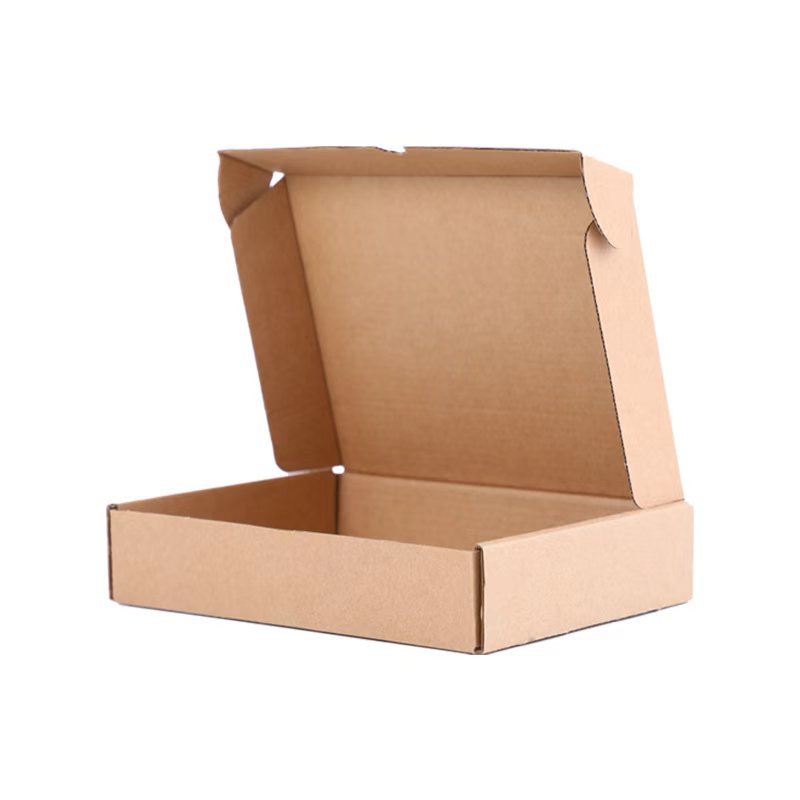
Step 1: Choose the Right Packaging Materials
The first step in making your own packaging is selecting suitable materials. Different materials offer different levels of strength, appearance, flexibility, and cost.
Common materials for Custom Packaging Boxes include:
Kraft Paper
Kraft paper is popular for its natural brown appearance and is commonly used for eco-conscious packaging designs, gift boxes, and lightweight product packaging.
Cardboard and Paperboard
Paperboard is widely used for custom product packaging, folding cartons, cosmetics boxes, food packaging, and retail packaging. It provides a smooth surface for printing and can be customized with different thicknesses and finishes.
Corrugated Cardboard
Corrugated cardboard consists of linerboard and a fluted inner layer. It is commonly used for shipping boxes, mailer boxes, and packaging that requires additional cushioning and structural support.
Rigid Paperboard
Rigid board is thicker and more solid than standard folding carton materials. It is often used for luxury packaging, gift boxes, jewelry boxes, and premium product presentation.
The right packaging material depends on your product weight, fragility, shipping conditions, budget, and desired appearance.
Step 2: Measure Your Product
Before designing custom packaging, measure the product accurately to determine the appropriate box dimensions.
The three basic measurements are:
Length: The longest side of the product.
Width: The distance across the product.
Height: The vertical dimension of the product.
You should also consider the space required for protective inserts, cushioning materials, and accessories.
For fragile products, additional internal space may be needed for foam inserts, paper inserts, or protective partitions. Proper measurements help prevent excessive movement inside the box and avoid unnecessary packaging space.
Step 3: Choose Your Custom Packaging Box Style
Choosing the right box structure is essential when learning how to make your own packaging boxes. Different box styles are designed for different products, packaging operations, and customer experiences.
Folding Carton Boxes
Folding carton boxes are made from paperboard and are commonly used for cosmetics, skincare products, electronics accessories, and retail goods. They can be shipped flat and assembled when needed.
custom mailer boxes are popular for e-commerce shipping, subscription boxes, and direct-to-consumer packaging. Their self-locking structures make assembly convenient and provide space for custom branding.
Kraft Packaging Boxes
Kraft packaging boxes feature a natural paper appearance and are suitable for retail packaging, gifts, handmade products, and selected e-commerce applications.
Rigid Gift Boxes
Rigid gift boxes are made from thick paperboard and offer a solid structure with a premium appearance. Common styles include magnetic closure boxes, two-piece boxes, and drawer boxes.
The best box style depends on your product dimensions, protection requirements, packaging budget, and brand positioning.
Step 4: Design Your Own Packaging
Once you have selected the material and box structure, the next step is creating your custom packaging design.
A good packaging design should balance visual appeal, product information, brand identity, and practical functionality.
Important design elements include:
Brand Logo: Place your logo in a visible position to improve brand recognition.
Brand Colors: Use consistent colors that match your website, products, and overall brand identity.
Product Information: Include relevant details such as product names, specifications, instructions, and required labels.
Graphics and Patterns: Add illustrations, images, or patterns that reflect your brand personality.
Typography: Choose readable fonts and maintain a clear visual hierarchy.
You can use graphic design software to prepare your packaging artwork. Make sure the design matches the actual box dimensions and printing area.
Step 5: Create a Packaging Dieline
A packaging dieline is a flat technical template that shows how a box will be cut, folded, and assembled.
It typically includes:
Cutting lines
Folding and creasing lines
Glue areas
Flaps and closure structures
Printing and artwork areas
The dieline is essential for converting a flat sheet of cardboard into a finished packaging box.
For custom cardboard packaging, the dieline must match the selected material thickness and box structure. A professional packaging manufacturer can help develop or adjust the dieline to ensure that the box folds correctly and fits the product.
Step 6: Print and Assemble Your Custom Packaging
After completing the packaging design and dieline, you can move on to printing and production.
Common printing methods include:
Offset Printing: Suitable for high-quality graphics and larger production quantities.
Digital Printing: Useful for short runs, personalized packaging, and projects requiring flexible artwork changes.
Flexographic Printing: Commonly used for corrugated packaging and shipping boxes.
Additional finishing options may include matte lamination, gloss lamination, embossing, debossing, and foil stamping, depending on the selected material and production process.
After printing, the packaging material is processed through cutting, creasing, folding, and gluing. Some structures may also require lamination, mounting, or manual assembly.
Step 7: Test Your Custom Packaging
Before placing a large production order, it is important to test your packaging.
A packaging sample allows you to check whether the box fits the product, whether the structure is easy to assemble, and whether the printing matches your design.
Important testing points include:
Box dimensions and product fit
Structural strength and closure performance
Printing quality and color consistency
Insert positioning and product protection
Resistance to handling and transportation conditions
For shipping boxes, additional testing may be necessary depending on the product weight and distribution environment.
Testing helps identify design problems before mass production and reduces the risk of packaging defects.
DIY Packaging vs. Professional Custom Packaging
Making packaging yourself can be suitable for small projects, handmade products, or low-volume packaging needs. However, professional manufacturing offers more options when you need consistent quality, customized structures, and larger quantities.
| Comparison | DIY Packaging | Professional Custom Packaging |
|---|
| Production volume | Suitable for small quantities | Suitable for bulk orders |
| Design | Basic or manually developed | Professional structural and graphic design support |
| Printing | Limited equipment and methods | Multiple printing options |
| Box structures | Usually simple designs | More customized structures |
| Production consistency | Depends on manual processes | Standardized production and quality inspection |
| Cost efficiency | Convenient for very small projects | Often more practical for larger orders |
If you are developing a commercial product or building a retail brand, working with a custom packaging manufacturer can help simplify the design and production process.
Why Work with a Custom Packaging Box Manufacturer?
Although you can make simple packaging at home, producing professional custom packaging boxes requires suitable materials, structural knowledge, printing equipment, and manufacturing processes.
Working with an experienced packaging supplier offers several advantages:
Professional Box Design: Get support with box structures, dimensions, dielines, and packaging layouts.
Material Recommendations: Select suitable kraft paper, cardboard, corrugated board, or rigid paperboard according to your product requirements.
Custom Printing: Create branded packaging with logos, graphics, colors, and different finishing options.
Consistent Production: Maintain agreed specifications across repeat orders and larger production runs.
Bulk Manufacturing: Produce custom cardboard packaging boxes in quantities suitable for retail, e-commerce, and wholesale distribution.
Whether you need custom mailer boxes, folding cartons, kraft packaging boxes, or luxury rigid boxes, a professional manufacturer can help turn your packaging concept into a finished product.
FAQ About Making Your Own Packaging
How do I make my own product packaging?
Start by measuring your product, choosing a suitable packaging material, selecting a box structure, and creating a packaging design. Then prepare a dieline, arrange printing and production, and test the finished packaging before ordering in bulk.
What materials are best for making custom packaging boxes?
Common options include kraft paper, paperboard, corrugated cardboard, and rigid paperboard. The best material depends on product weight, protection requirements, printing needs, and budget.
Can I make custom packaging boxes at home?
Yes. Simple packaging boxes can be made at home using cardboard, cutting tools, rulers, adhesives, and printed designs. However, complex structures and large production quantities are generally better handled by professional packaging manufacturers.
How much does it cost to make your own packaging?
The cost depends on box dimensions, material thickness, box structure, printing colors, surface finishes, inserts, and order quantity. Larger production quantities may reduce the unit cost, depending on setup and manufacturing requirements.
Can I order custom packaging with my own logo?
Yes. Custom packaging boxes can be printed with your company logo, brand colors, product information, and personalized artwork. You can also customize the box size, shape, structure, and finishing options.
How do I find a custom packaging manufacturer?
Look for a supplier that offers suitable material options, custom box design, printing services, sample development, quality inspection, and bulk production. Reviewing product samples and confirming specifications before mass production can help you choose the right partner.
Create Your Own Custom Packaging Boxes
Creating your own packaging is more than choosing a box and adding a logo. It involves selecting the right material, developing a suitable structure, preparing artwork, and ensuring the finished packaging meets your product and branding requirements.
As a custom paper packaging manufacturer, we provide packaging solutions for different industries and applications. From custom cardboard packaging boxes and kraft mailer boxes to folding cartons and luxury rigid boxes, we support businesses in developing packaging that combines practical functionality with professional brand presentation.
Contact us to discuss your packaging ideas, share your product dimensions, and explore custom packaging solutions for your business.



 English