Custom Color Boxes are an effective way to improve product presentation, communicate brand identity, and create a consistent packaging experience. Whether you need packaging for cosmetics, electronics, retail products, gifts, or e-commerce orders, custom printed color boxes can be designed to match your product dimensions, brand colors, and packaging requirements.
Making Custom Color Boxes involves several important steps, including selecting the right cardboard material, choosing a box structure, creating artwork, deciding on a printing method, and adding suitable surface finishes. This guide explains how to make Custom Color Boxes and what to consider when working with a professional packaging manufacturer.
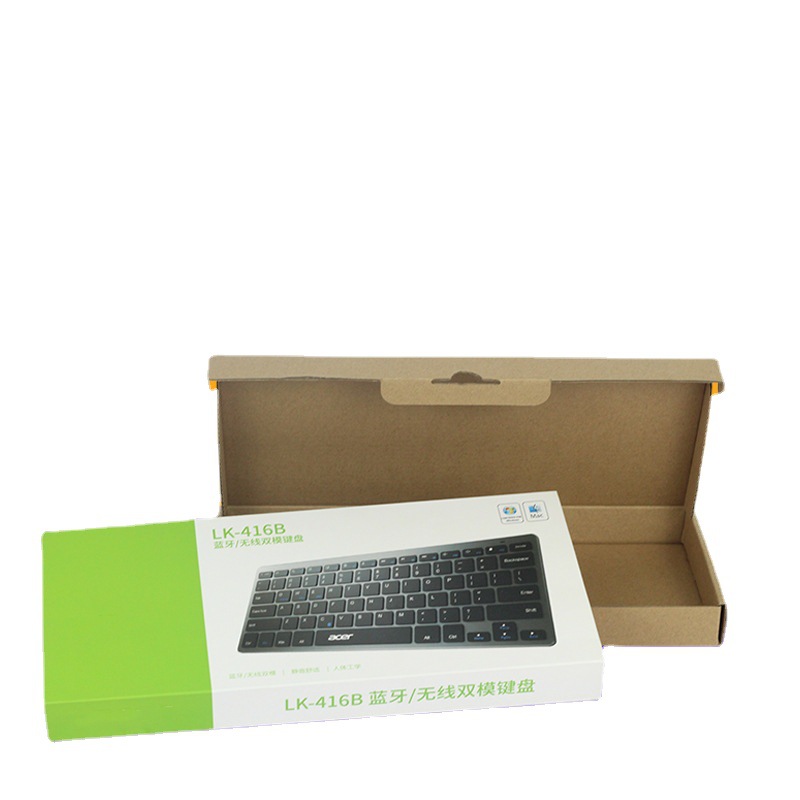
What Are Custom Color Boxes?
Custom color boxes are packaging boxes designed with specific colors, graphics, logos, and brand information. Unlike standard plain boxes, custom colored packaging boxes allow businesses to create distinctive product packaging that reflects their brand image.
They can be manufactured using different paper-based materials, such as paperboard, kraft paperboard, and corrugated cardboard. Depending on the product and intended use, businesses can choose folding cartons, mailer boxes, rigid boxes, or other custom cardboard packaging structures.
Common applications include:
Retail Packaging: Custom printed boxes for products displayed in stores.
Cosmetic Packaging: Colorful packaging for skincare, makeup, and beauty products.
Gift Packaging: Personalized color boxes for promotional gifts and special occasions.
Electronics Packaging: Custom cardboard boxes designed to organize and protect electronic accessories.
E-commerce Packaging: Printed mailer boxes for online orders and product deliveries.
How to Make Custom Color Boxes Step by Step
Creating custom color packaging requires a combination of structural design, artwork preparation, printing, and manufacturing. The following steps can help you develop packaging that meets your product and branding requirements.
Step 1: Choose the Right Cardboard Material
Material selection is the foundation of custom color box production. The right material affects the box's appearance, strength, printing quality, and overall cost.
Common materials include:
Paperboard: Suitable for lightweight retail packaging, cosmetics, food accessories, and consumer products. Its smooth surface supports detailed graphics and color printing.
Kraft Paperboard: Offers a natural brown or white appearance and is often selected for minimalist or kraft-style packaging.
Corrugated Cardboard: Provides additional cushioning and structural support, making it suitable for shipping boxes and e-commerce packaging.
Rigid Paperboard: Used for premium gift boxes, luxury packaging, and products that require a sturdy, high-end presentation.
When selecting a material, consider product weight, packaging dimensions, transportation conditions, printing requirements, and budget.
Step 2: Determine the Box Size and Structure
After choosing the material, determine the appropriate box dimensions and structure. Accurate measurements help ensure that the product fits securely inside the packaging without unnecessary movement.
Popular custom color box structures include:
Tuck-End Boxes: Commonly used for cosmetics, personal care products, and small retail items.
Mailer Boxes: Suitable for e-commerce packaging and subscription boxes.
Folding Cartons: Lightweight and easy to store, making them suitable for mass-produced retail packaging.
Rigid Gift Boxes: Designed for premium products, gift sets, and luxury packaging.
corrugated shipping boxes: Provide additional protection during storage and transportation.
You can also add custom inserts, dividers, windows, or special opening mechanisms to improve product organization and presentation.
Step 3: Create Your Custom Color Box Design
The artwork design determines how your packaging communicates your brand identity. Before production, prepare a design that combines visual appeal with clear product information.
Important design elements include:
Brand Colors: Use consistent brand colors across your packaging to strengthen recognition.
Logo Placement: Position your logo where it is easy to see without overwhelming the overall design.
Product Information: Include product names, descriptions, instructions, and other required information.
Typography: Choose readable fonts that match your brand style.
Graphics and Patterns: Use illustrations, images, or decorative elements to make the packaging more distinctive.
For accurate production, the artwork should be prepared according to the manufacturer's dieline. This helps ensure that text, logos, and graphics are positioned correctly after cutting and folding.
Step 4: Choose the Right Printing Method
Printing is one of the most important stages in making custom printed color boxes. The appropriate printing method depends on order quantity, artwork complexity, material, and color requirements.
Common printing methods include:
Offset Printing
Offset printing is widely used for high-quality custom cardboard boxes. It provides consistent color reproduction, sharp graphics, and detailed images, making it suitable for medium to large production runs.
Digital Printing
Digital printing is suitable for short runs, product samples, and customized packaging. It allows artwork changes without preparing traditional printing plates, which can be useful for smaller orders or multiple design variations.
Flexographic Printing
Flexographic printing is commonly used for corrugated packaging and large-volume box production. It is suitable for printing on different packaging materials and is often selected for shipping and transport boxes.
For brands that need vibrant graphics and detailed product information, full color printed boxes can help create a more professional packaging appearance.
Step 5: Select Surface Finishing Options
Surface finishing can improve the appearance and tactile experience of custom color packaging. Different finishing options create different visual effects and levels of surface protection.
Popular options include:
Gloss Lamination: Creates a shiny surface that enhances color brightness.
Matte Lamination: Provides a smooth, non-glossy appearance for a clean and understated design.
Spot UV: Adds a glossy effect to selected areas, such as logos or product graphics.
Hot Foil Stamping: Adds metallic details, commonly in gold or silver, for a premium appearance.
Embossing and Debossing: Creates raised or recessed design elements for added texture.
Soft-Touch Lamination: Provides a smooth, soft-feel surface.
The choice of finishing should match your brand positioning, budget, and packaging material. Some coatings and laminations may also affect recyclability, so material compatibility should be considered when environmental requirements are important.
Step 6: Print, Cut, Fold, and Assemble the Boxes
Once the design and production specifications are approved, manufacturing can begin.
A typical custom color box production process includes:
Prepress Preparation: Check the artwork, colors, dielines, and printing files.
Material Preparation: Select and prepare the specified paperboard or corrugated cardboard.
Printing: Transfer the approved artwork onto the packaging material.
Surface Finishing: Apply the selected lamination, coating, foil stamping, or other treatments.
Die-Cutting: Cut the printed sheets into the required box shapes and folding lines.
Folding and Gluing: Fold and assemble the boxes according to their structural design.
Quality Inspection: Check dimensions, printing quality, color consistency, and box construction.
Professional manufacturing helps maintain consistency across bulk custom packaging orders.
Step 7: Inspect the Finished Custom Color Boxes
Quality inspection is essential before the finished packaging is delivered. It helps identify production issues and ensures that the boxes meet the approved specifications.
Important inspection points include:
Color consistency between printed boxes and approved samples.
Accurate dimensions and structural alignment.
Clear printing without smudges or unwanted marks.
Proper folding, creasing, and gluing.
Surface finishing quality.
Box strength and suitability for the intended product.
For packaging that needs to protect heavier or fragile products, sample testing under realistic handling and transportation conditions is recommended.
DIY Color Boxes vs. Professional Custom Packaging
You can make simple color boxes by hand for crafts, gifts, or small personal projects. However, businesses that need consistent branding and larger production quantities may benefit from working with a professional custom packaging manufacturer.
| Comparison | DIY Color Boxes | Professional Custom Color Boxes |
|---|
| Production Volume | Suitable for small quantities | Suitable for bulk orders |
| Design | Basic handmade designs | Custom artwork and professional printing |
| Material Options | Limited choices | Multiple paperboard and cardboard options |
| Color Consistency | Depends on manual production | Controlled through production standards |
| Box Structures | Simple shapes | Folding cartons, mailer boxes, rigid boxes, and more |
| Customization | Limited | Custom sizes, printing, finishes, and inserts |
For commercial packaging projects, professional production can help improve consistency, efficiency, and scalability.
How to Choose a Custom Color Box Manufacturer
Choosing the right manufacturer is important for achieving the expected packaging quality and production results.
Before placing an order, consider the following factors:
Material Selection: Check whether the supplier offers suitable paperboard, kraft paperboard, and corrugated cardboard options.
Printing Capabilities: Confirm that the manufacturer can produce your required colors, graphics, and printing effects.
Customization Services: Ask about custom sizes, structures, inserts, and surface finishing.
Sample Approval: Request a sample to check the material, dimensions, colors, and overall construction before mass production.
Quality Control: Understand how the supplier checks printing quality, dimensions, and finished box construction.
Production Capacity: Make sure the manufacturer can meet your required order quantity and delivery schedule.
A reliable custom color box manufacturer should be able to help you turn your packaging design into a practical product that meets your branding and functional requirements.
FAQ About Custom Color Boxes
1. What materials are used to make custom color boxes?
Custom color boxes are commonly made from paperboard, kraft paperboard, corrugated cardboard, or rigid paperboard. The best option depends on product weight, packaging structure, printing requirements, and intended use.
2. Can I customize the color and logo on packaging boxes?
Yes. Custom printed color boxes can feature your brand colors, logo, product images, text, patterns, and other artwork. You can also select different printing methods and surface finishes to match your design.
3. What is the best printing method for custom color boxes?
Offset printing is suitable for many medium and large-volume orders that require consistent, detailed color printing. Digital printing is useful for short runs and customized designs, while flexographic printing is commonly used for corrugated packaging.
4. Can I order custom color boxes in different sizes?
Yes. Custom cardboard boxes can be manufactured in different dimensions and structures according to your product specifications. You can provide product measurements or request assistance with box design.
5. Are custom color boxes recyclable?
Many paper-based boxes can enter paper recycling streams, but recyclability depends on the cardboard material, coatings, laminations, adhesives, inks, and local recycling facilities. If recyclability is a priority, discuss material and finishing options with your packaging supplier before production.
6. Can I order custom color boxes in bulk?
Yes. Many packaging manufacturers accept wholesale and bulk orders. Before mass production, it is recommended to confirm the material, artwork, box dimensions, finishing options, sample approval, and minimum order quantity.
Get Custom Color Boxes for Your Brand
Well-designed custom color boxes combine practical packaging functions with effective brand presentation. From material selection and box structure to full color printing and surface finishing, every detail contributes to the final packaging result.
Whether you need custom printed cardboard boxes for retail products, colorful mailer boxes for e-commerce, or premium gift packaging, working with an experienced packaging manufacturer can help you develop a solution that fits your products and business requirements.
Contact us to discuss your custom color box design, material options, printing requirements, and bulk packaging needs.



 English