Custom boxes have become an essential packaging solution for brands that want to protect their products while improving product presentation and customer experience. From gift packaging and retail products to toys, electronics, and daily necessities, custom paper boxes allow businesses to create unique packaging with customized materials, sizes, structures, colors, and printing designs.
So, how to make custom boxes? The process usually involves product requirements analysis, box structure design, material selection, printing, cutting, finishing, assembly, and quality inspection. This guide explains the complete manufacturing process of Custom Packaging Boxes and how businesses can create packaging solutions that match their brand identity.
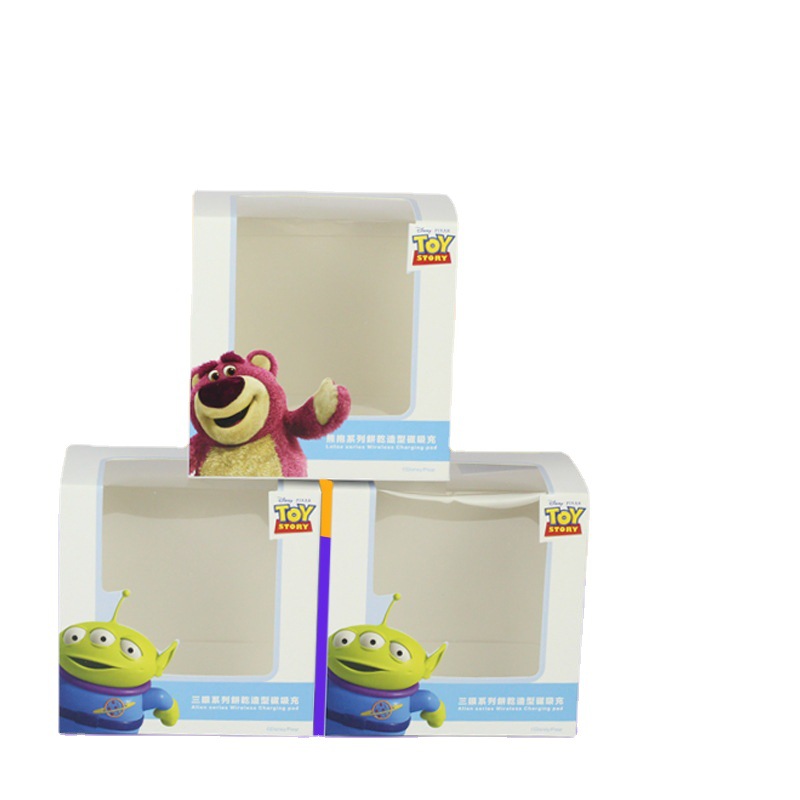
What Are Custom Boxes?
Custom boxes are packaging boxes designed and manufactured according to specific product requirements. Unlike standard stock boxes, custom packaging boxes can be personalized in terms of size, shape, material, color, printing, and finishing options.
They are widely used for:
By choosing custom paper boxes, brands can create packaging that not only protects products but also enhances visual appeal and market competitiveness.
Step 1: Define Your Custom Box Requirements
The first step in learning how to make custom boxes is determining your packaging requirements.
Before manufacturing, you need to consider:
Product Size and Shape
The box dimensions should match the product size to ensure proper protection.
Important measurements include:
Length
Width
Height
Product weight
For example, packaging for small electronics, toys, and gifts may require different box structures.
Box Purpose and Application
Different products require different packaging designs.
Common applications include:
Retail display packaging
Gift packaging
Shipping packaging
Promotional packaging
Understanding the usage scenario helps determine the best box structure and material.
Step 2: Choose Suitable Materials for Custom Boxes
Material selection plays an important role in the quality and appearance of custom paper boxes.
Common materials include:
White Cardboard
White cardboard is widely used for printed custom boxes because it provides a smooth surface for high-quality printing.
Advantages:
Kraft Paper
Kraft paper is a popular choice for eco-friendly packaging.
Benefits:
Coated Paperboard
Coated paperboard provides a premium surface for detailed graphics and attractive packaging designs.
Suitable for:
Gift boxes
Retail packaging
Brand packaging
Corrugated Paper
Corrugated paper is mainly used for stronger packaging applications.
Features:
Step 3: Design the Custom Box Structure
After selecting materials, the next step is creating the box structure.
Professional manufacturers usually design the packaging based on:
Product dimensions
Loading requirements
Display needs
Assembly method
Common custom box structures include:
Folding Paper Boxes
Folding boxes are lightweight and easy to transport.
Applications:
Toys
Electronics
Accessories
Daily products
Window Paper Boxes
Custom window boxes include a transparent opening that allows customers to see the product inside.
Benefits:
Gift Boxes
custom gift boxes focus on appearance and premium presentation.
Common uses:
Holiday gifts
Promotional products
Premium products
Step 4: Create Custom Printing Designs
Printing is an important part of making custom printed boxes.
Brands can customize:
Common printing methods include:
Offset printing
Digital printing
Screen printing
Flexographic printing
High-quality printing helps create attractive packaging and improve brand recognition.
Step 5: Add Surface Finishing Options
Surface finishing enhances the appearance and durability of custom packaging boxes.
Common finishing options include:
Matte Lamination
Creates a smooth and elegant appearance.
Gloss Lamination
Provides a shiny and bright surface.
UV Coating
Enhances specific design areas with a premium effect.
Embossing
Creates a raised texture for logos or patterns.
Foil Stamping
Adds metallic effects for luxury packaging designs.
Step 6: Die Cutting and Box Production
After the design is finalized, the cardboard material is cut into the required shape.
The die-cutting process creates:
Box panels
Folding lines
Window openings
Assembly structures
Advanced manufacturing equipment ensures accurate dimensions and consistent quality.
Step 7: Assembly and Quality Inspection
The final manufacturing stage includes assembly and quality checking.
Quality inspections usually include:
Size accuracy
Printing quality
Structural strength
Surface appearance
Folding performance
Professional custom box manufacturers ensure every box meets customer requirements before shipment.
Benefits of Custom Paper Boxes
Improve Product Presentation
Customized packaging helps products stand out on retail shelves.
With unique:
Designs
Colors
Printing
Structures
brands can create a stronger visual impact.
Protect Products During Transportation
Well-designed custom packaging boxes provide suitable protection during storage and shipping.
Support Brand Marketing
Packaging is an important part of brand communication.
Custom boxes can display:
Brand identity
Product information
Marketing messages
Eco-Friendly Packaging Option
Many brands choose recyclable custom paper boxes to reduce environmental impact.
Benefits include:
Recyclable materials
Renewable resources
Reduced plastic usage
Applications of Custom Boxes
Custom boxes are widely used in many industries, including:
Electronics Packaging
Suitable for:
Toy Packaging
Used for:
Dolls
Cartoon toys
Children's products
Gift Packaging
Suitable for:
Festival gifts
Promotional products
Premium items
Retail Packaging
Used for:
Cosmetics
Accessories
Daily necessities
How to Choose a Custom Box Manufacturer?
When selecting a custom paper box manufacturer, consider:
Manufacturing Capability
A reliable supplier should provide:
Professional design support
Advanced printing equipment
Flexible production capacity
Customization Options
Choose a manufacturer that supports:
Custom sizes
Custom materials
Custom printing
Custom structures
Quality Control
Strict inspection ensures consistent product quality for bulk orders.
FAQ
How long does it take to make custom boxes?
Production time depends on box design, material availability, printing requirements, and order quantity. Sample production usually takes less time than mass production.
Can custom boxes be made in different sizes?
Yes. Custom boxes can be manufactured according to your exact product dimensions and packaging requirements.
What materials are used for custom paper boxes?
Common materials include white cardboard, kraft paper, coated paperboard, and corrugated paper.
Can I add my logo to custom boxes?
Yes. Custom printing allows brands to add logos, colors, patterns, and product information.
Are custom paper boxes recyclable?
Yes. Most custom paper boxes are made from recyclable paper materials and are an eco-friendly packaging option.



 English